The Role of Ambience in a Bar With Private Room
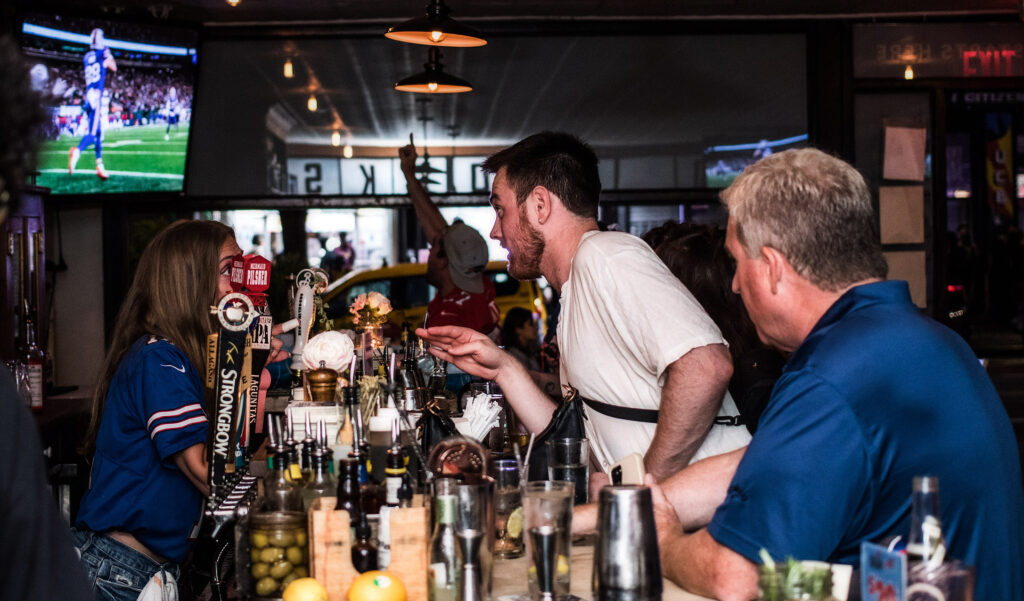
A private room inside a bar changes the social contract of the evening.
The same venue can serve two very different needs at once. In the main bar, people often want energy, movement, visibility, and the mild unpredictability that makes a night feel alive. In a private room, they usually want control. They want to hear the person across the table. They want a celebration to feel distinct from the crowd outside. They want a client dinner or milestone birthday to feel intentional rather than improvised.
That shift, from public buzz to managed intimacy, is where ambience does the real work.
Anyone can add a door and call a space private. What makes a Bar With Private Room memorable is not the partition alone. It is the way the room feels when guests walk in, settle down, order the first round, and begin to relax. Ambience is what turns a closed space into an experience. It affects whether guests stay an extra hour, order another bottle, book again for next quarter, or leave thinking the room was technically fine but somehow flat.
Owners sometimes focus first on capacity, AV setup, or minimum spend, and those things matter. Yet ambience is the element that determines whether the room feels generous or cramped, polished or awkward, celebratory or stale. It influences not just mood but behavior, and behavior drives revenue.
Privacy is emotional, not just physical
A private room is often booked for reasons that have nothing to do with exclusivity in the flashy sense. Most guests are not chasing velvet rope theater. They are trying to manage vulnerability.
A family hosting an engagement dinner wants the grandparents to hear the toasts. A manager taking out a team after a difficult quarter wants conversation without the performative volume of a packed bar. A group of friends planning a reunion wants to slide between laughter and quieter catch-up without being overheard by strangers. Even a casual birthday gathering usually carries one simple expectation: this should feel like our space for the night.
That expectation is emotional. If the room leaks too much of the bar’s chaos, privacy feels false. If it is sealed off too completely, the group can feel detached from the venue’s energy and momentum. The best ambience lives in the middle. Guests feel protected, but not isolated. They know they are part of a vibrant place, while still having room for their own atmosphere to Bar With Private Room develop.
That balance is harder to achieve than many operators expect. A solid door helps, but sound bleed undercuts privacy fast. Frosted glass may preserve light, but if every silhouette reads clearly from the hallway, some guests will tighten up. A room can look elegant in photos and still feel exposed once real people occupy it.
In practice, guests judge privacy in small moments. Can they laugh loudly without turning heads outside? Can they discuss a work matter without lowering their voices? Can the host stand to make a toast without competing with bass from the DJ booth? Those details decide whether the room earns trust.
Sound sets the tone before service does
If there is one part of ambience that consistently separates average private rooms from excellent ones, it is acoustics.
People forgive a lot if they can hear each other. They forgive slightly dated decor, a modest food menu, even furniture that is attractive rather than luxurious. They rarely forgive a room that forces everyone to shout. A Bar With Private Room that gets sound right immediately feels more expensive and more professional, even before the first drink arrives.
There are two sound environments to manage: what enters the room and what happens inside it.
External noise usually comes from the main bar, kitchen pass, nearby live music, or hall traffic. Internal noise comes from the group itself, especially if the room has hard surfaces, low ceilings, and too little soft material to absorb speech. I have seen otherwise beautiful private rooms fail because every laugh bounced around the walls and built into a steady roar within twenty minutes. Guests leaned in, repeated themselves, and tired earlier than they should have.
The fix is often surprisingly unglamorous. Upholstered seating, curtains, acoustic panels hidden behind millwork, rugs in the right zones, and ceilings treated to reduce slapback can transform the experience. So can better speaker placement. Music in a private room should support the evening, not test the guests. If the room needs its own playlist or volume control, that is not a luxury. It is functional design.
There is also a timing issue. Early in the evening, softer sound helps guests arrive and connect. Later, if the event shifts toward celebration, the room can absorb a lift in volume. Smart staff read that curve. Great ambience is rarely static. It responds.
Lighting does more than flatter faces
Lighting is usually discussed in vague terms, as if dim equals sophisticated and bright equals cheap. Real rooms are more nuanced than that.
A private room in a bar needs layered lighting because people use the space in layers. They read menus, take photos, toast, eat, speak, present, and sometimes dance. One lighting setting almost never serves all of those moments well. The room needs visual flexibility without making guests aware of the machinery behind it.
The strongest rooms usually combine ambient light, task light, and accent light. Ambient light creates the overall mood. Task light makes food, drinks, and faces visible. Accent light gives shape, depth, and a sense of occasion. Candles alone are romantic but impractical. Overhead wash alone is efficient but lifeless. Harsh spotlighting can make guests feel like they are sitting inside a conference room disguised as a https://www.google.com/maps?cid=9305732499708573250 cocktail lounge.
A common mistake is underlighting the table in the name of atmosphere. If people cannot see the food, labels, or expressions clearly, the mood becomes frustrating rather than intimate. Another mistake is relying on a blue or purple color cast because it seems modern. Those tones can work in the main bar, but in a private room they often distort skin tones and make a birthday dinner look oddly clinical in photos.
Warm light tends to make guests linger. Adjustable light lets the room evolve. During a business event, hosts often want enough brightness for introductions and presentations. Once the formal part ends, lowering the room slightly can signal a shift into a more social pace. That subtle cue affects posture, voice, and dwell time more than most people realize.
Design should frame the occasion, not fight it
Private rooms fail when they force every gathering into the same personality.
A loud maximalist room with neon slogans may suit a birthday but undermine a board dinner. A room decorated like a hotel meeting suite may reassure corporate bookers yet deaden a reunion or engagement party. Since most bars want the room to serve multiple event types, the ambience needs enough character to feel special and enough restraint to stay adaptable.
That often comes down to texture, proportion, and sight lines more than theme. Materials matter because people feel them even when they do not consciously register them. Timber warms a room. Leather and velvet suggest comfort and occasion. Brass and stone can add polish. Too many reflective finishes make noise worse and can tip the room toward coldness. Too many heavy dark elements can make a modest room feel airless.
Scale matters too. A room that seats twenty but looks designed for forty will feel underbooked and awkward. A room sold for sixteen that comfortably fits twelve creates a different problem, guests feel compressed before the first drink lands. Good ambience starts with honest spatial planning. If furniture has to be moved excessively to make the room work for different groups, the room will never feel settled.
The eye also needs a place to land. That could be a backlit shelf, a striking art piece, a fireplace, a banquette wall, or simply a beautifully dressed table at the center. A focal point helps guests orient themselves and gives the room identity. Without one, even expensive finishes can blur into generic hospitality design.
Service is part of the room’s ambience
Many discussions about ambience stop at décor, music, and lighting. That leaves out the most dynamic element in the room: staff behavior.
Service style changes the emotional temperature of a private room as much as design does. Guests notice whether they are interrupted too often, whether empty glasses linger too long, whether servers enter hesitantly, whether orders are handled smoothly without breaking the conversation. In a public bar, service can be more visible and kinetic. In a private room, it needs better timing.
There is an art to entering the room without puncturing the mood. Strong staff read body language, pause at natural breaks, and know when to fade back. For a business group, discretion matters. For a birthday, enthusiasm may matter more. For a wine tasting, precision and product knowledge become part of the ambience. The room can look impeccable, but if service feels clumsy, the experience immediately loses polish.
Hosts feel this acutely. A person who books a private room is often carrying invisible pressure. They are spending real money, hoping the guest list gels, and worrying whether the evening justifies the choice. When staff anticipate needs without becoming intrusive, the host’s shoulders drop. That relaxation spreads to the room.
A practical rule for private dining and drinking spaces is simple: the more private the room feels, the more every interruption counts. A swing through the door should have a purpose.
Scent, temperature, and airflow are the hidden deal makers
Guests can usually describe the lighting and the music. They are less likely to talk about air circulation, but poor air will shape their memory of the night.
A private room warms up fast. Body heat, glassware, plated food, and closed doors create a thermal problem that many venues underestimate. A room that feels cozy with four people can feel stuffy with twelve within half an hour. Once guests get too warm, they drink faster at first, then tire sooner. Conversation gets flatter. People step outside, linger in the hallway, or migrate back to the main bar. At that point the room is no longer performing its basic function.
Ventilation should be quiet and effective. Guests should not sit under a vent blasting cold air onto their shoulders, but they should feel that the room breathes. Temperature control matters even more in bars that serve hot food, use candles, or host standing receptions. The sweet spot varies by season and crowd, yet the principle remains constant: comfort needs to hold steady as occupancy changes.
Scent also deserves more respect. A private room should not smell like cleaning product, stale carpet, fryer oil, or the previous event’s perfume cloud. A neutral, clean smell beats an aggressive signature scent almost every time in a bar setting. If the room is attached to a kitchen corridor or sits near restrooms, odour management becomes part of the ambience plan whether the operator likes it or not.
These are not glamorous concerns, but they are often the difference between a room guests rebook and a room they politely avoid.
The best rooms support multiple kinds of gatherings
A successful Bar With Private Room rarely survives on one event type alone. Birthdays might fill weekends, but weekday revenue often comes from team socials, networking events, client dinners, product launches, or family celebrations. Ambience has to stretch without snapping.
What works is not a blank box. Blank boxes feel cheap. What works is a room with a defined mood and adjustable controls.
Here are the elements that usually make that possible:
- Lighting with at least two or three usable settings
- A sound plan that allows speech first and music second
- Furniture that can shift subtly without a full reset
- Decor with personality but no overpowering gimmick
- Service procedures tailored to private events, not borrowed from the main floor
Notice what is missing from that list: expensive spectacle. Guests do not require dramatic design moves nearly as often as they require a room that functions well under real conditions.
I have seen modest private rooms outperform lavish ones because the operator understood flow. Drinks arrived at the right pace. The room held temperature. Noise stayed controlled. The host had one clear point of contact. The result felt smoother, which guests read as more premium.
Ambience shapes spending patterns
This part matters to operators, and it should. Ambience is not decorative overhead. It has direct commercial consequences.
When guests feel comfortable and slightly elevated, they stay longer. Longer stays typically increase beverage sales, especially in private rooms where social friction around ordering is lower than at a packed bar counter. A group that settles in may move from a welcome drink to a second round, then to wine, then to digestifs. If the room feels hurried, noisy, or overheated, that progression collapses.
Ambience also affects what people order. In a thoughtfully lit, acoustically calm room, guests are more likely to choose products associated with occasion: reserve spirits, bottle service, shared platters, tasting menus, premium cocktails. The environment gives them permission. In a room that feels makeshift, they order defensively. They keep it simple and finish early.
For repeat business, memory is everything. Guests often forget exact pricing. They remember whether the room felt worth the spend. A host who senses they looked competent and generous in front of their guests is far more likely to return than a host who spent the night apologizing for the noise or asking staff to adjust the lights.
That is why ambience belongs in revenue conversations. It is not just brand polish. It influences average spend, event duration, repeat bookings, and the kind of clientele a venue attracts.
When ambience goes wrong
Poor ambience usually does not fail in dramatic fashion. It erodes the evening by degrees.
A room might be attractive but too close to the toilets. It might have a lovely table and terrible chairs. It might be private on paper yet exposed to every burst of hallway traffic. It might look intimate online but rely on a fixed speaker that is either too loud or off. These flaws sound minor during planning. In use, they compound.
Guests then make quiet adjustments. They lower expectations. They move seats. They keep the door open for airflow, which ruins privacy. They cut speeches short because the room does not support them. They decide dessert would be nicer somewhere else. None of these moments appear on a sales report, but each one marks lost value.
The hardest part is that operators can become blind to these issues. Staff who spend forty hours a week in the venue adapt to the sound level, temperature, and traffic patterns. First-time guests do not. That gap is why periodic honest review matters. Sit in the room during a live service. Close the door. Order a drink. Try holding a normal conversation at a full table. Read the menu under current lighting. Stay long enough to notice whether the air changes. The room will tell you what your guests already know.
What guests actually remember
They remember whether the room felt like a backdrop or a setting.
A backdrop is merely rented square footage. A setting gives shape to the evening. It makes a toast land properly. It lets a tense work group loosen into real conversation. It allows a birthday host to feel that the night had texture and care, not just logistics.
The details that drive that memory are often modest:
- the first impression when the door opens
- the ease of hearing every person at the table
- the warmth of the light on faces and glassware
- the absence of distractions at key moments
- the sense that the room responded to the group rather than forcing the group to adapt
Those are ambience decisions. They influence whether the private room feels like an add-on or a destination.
The strongest bars understand this instinctively. They know that people booking private space are not just purchasing privacy. They are purchasing confidence. They want a room that protects the purpose of the gathering, whether that purpose is celebration, connection, negotiation, or simple ease. When ambience is handled well, the room does not announce itself constantly. It supports the night so completely that guests can forget the mechanics and enjoy each other.
That is the real role of ambience in a Bar With Private Room. It turns enclosed space into hospitality, and hospitality into memory.
The Winslow
Address: 243 E 14th St, New York, NY 10003
Phone number: +12127777717
FAQ About Bar With Private Room
Which bars in NYC offer private rooms?
Many bars in New York City offer private and semi-private rooms for parties and events, ranging from hidden basement speakeasies to upscale lounge spaces. Top options include The Back Room on the Lower East Side, Dear Irving Gramercy, Pebble Bar in Midtown, Mister Paradise in the East Village, and The Winslow in the East Village.
What is a private room in a pub called?
A small, private seating area or partitioned booth in a traditional pub is most commonly called a snug. Larger private rooms used for events, parties, or dining are typically referred to as private dining rooms, function rooms, or back rooms.
How much does a 2 hour open bar cost?
A 2-hour open bar generally costs between $15 and $45 per person, depending heavily on the quality of alcohol you choose. For a standard group of 100 guests, this translates to an overall cost of $1,500 to $4,500 before taxes, setups, and staff gratuities.