How to Find the Perfect Bar With Private Room for Your Event
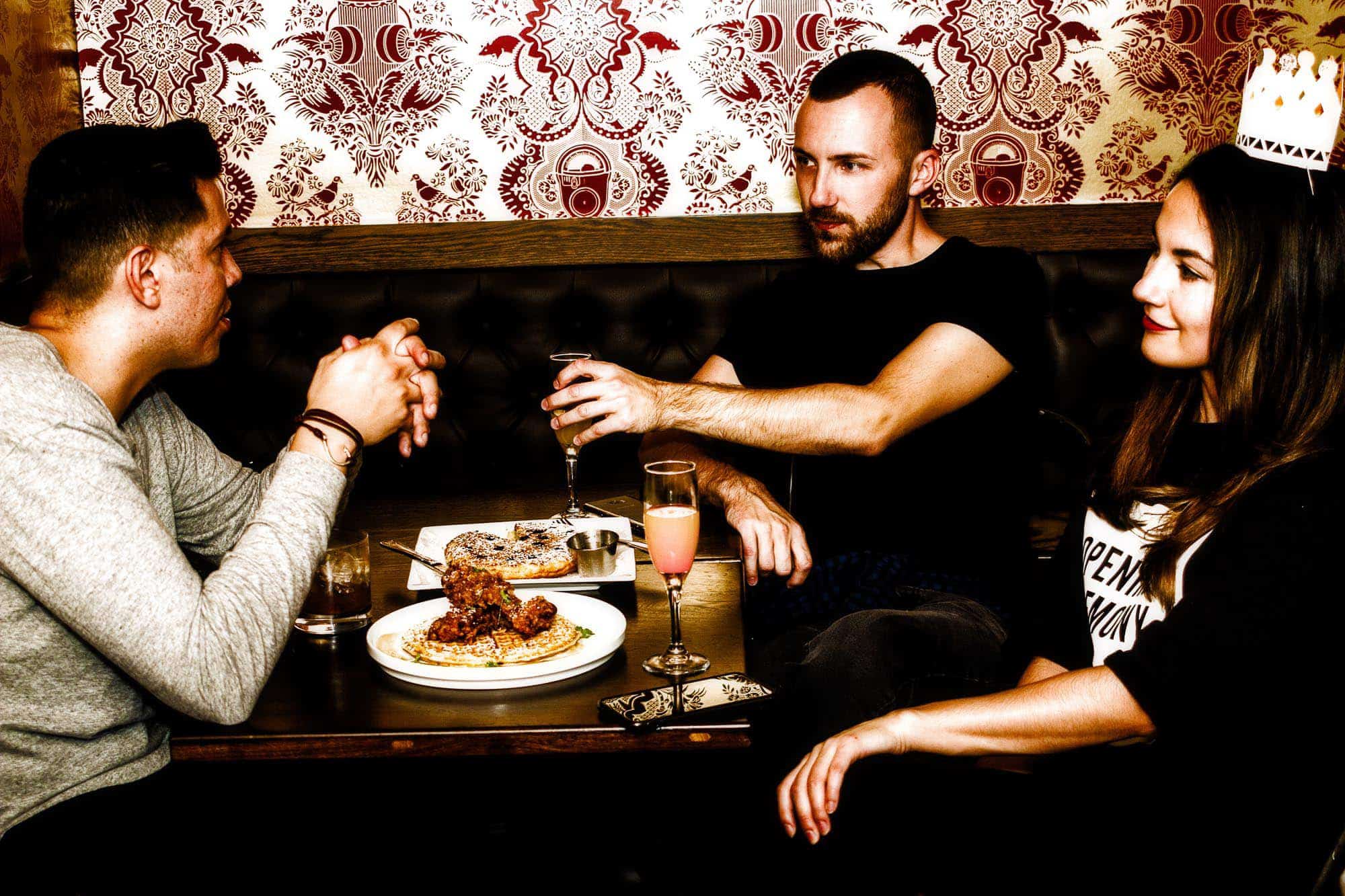
Finding the right Bar With Private Room sounds straightforward until you start comparing spaces and realize how many moving parts sit behind a good event. The room might look sharp in photos, but the acoustics could be terrible. The drinks list might be excellent, but the service model may be too slow for a group of 40. A venue may promise privacy, then seat your guests behind a curtain ten feet from the main bar and call it exclusive.
A private room at a bar can be one of the best event formats available. It gives people a social, relaxed setting without the cost and rigidity of a full buyout. It works for birthdays, team celebrations, client gatherings, engagement parties, rehearsal drinks, alumni meetups, holiday events, and even small wedding after-parties. But the gap between a room that merely exists and a room that actually works for your event is wider than most people expect.
The best decisions usually come from knowing what matters before you start touring spaces. Once you understand capacity, privacy, layout, staffing, food flow, beverage minimums, sound, and timing, the search gets much easier. You stop being impressed by surface details and start noticing what will affect your guests in real time.
Start with the event, not the venue
A common mistake is falling in love with a room before defining the event it needs to support. That backwards approach usually leads to compromises that become obvious too late. The room that felt intimate for a birthday may feel cramped for a networking mixer. The stylish speakeasy setup that works for cocktails might be awkward for a presentation or speech.
Before you contact venues, get specific about your event’s purpose. Is this primarily social, or does it need structure? Are people expected to mingle freely, or will they sit for part of the evening? Do you want music loud enough to create energy, or soft enough for easy conversation? Will there be formal moments like a toast, slideshow, or short remarks from a host?
Guest count deserves more thought than a rough estimate. If you invite 60 and expect 40, tell venues both numbers. Experienced event managers know actual turnout rarely matches the invite list exactly, and they can guide you better if you are transparent. A room built for 50 standing may feel lively with 35, but a room designed for 80 can swallow the same group and drain the atmosphere.
Timing matters too. A private room on a Thursday after work behaves differently from one on a Saturday night. Weeknight corporate groups often value speed, reliable service, and moderate volume. Weekend social events tend to prioritize vibe, cocktails, and a more festive pace. The perfect fit depends on what your guests will actually enjoy, not what photographs best.
Understand what “private” really means
Not every private room is truly private. Some are fully enclosed with doors, dedicated staff, and separate sound control. Others are semi-private sections with partial dividers, drapes, or raised platforms. There is nothing inherently wrong with semi-private space, but it must match your expectations.
If the event includes speeches, confidential conversation, or guests who value intimacy, ask direct questions. Can outside guests see into the room? Will they hear your group clearly? Does the room have a dedicated entrance, or do guests need to cut through crowded public areas? Is there a separate restroom nearby, or will attendees filter back into the main bar repeatedly?
This is one of those areas where photos can mislead. A cropped image can make a corner banquette look like an exclusive salon. I have seen hosts book what they thought was a tucked-away event space, only to discover the “private room” was separated by a waist-high partition next to the bar queue. For a casual birthday, that may be fine. For a client event or engagement toast, it can feel disappointing.
If privacy is important, ask the venue to send a short video walkthrough or schedule a site visit at the same day and time your event would happen. A room that seems calm at 2 p.m. On a Tuesday may feel very different at 7 p.m. On a Friday when the rest of the bar is full.
Capacity is more than a number on a brochure
Venue capacity figures often reflect legal maximums, not comfort. That distinction matters. Fire code capacity tells you how many people can technically fit. It does not tell you whether they can circulate comfortably, order drinks easily, hear one another, or set down a plate without performing a balancing act.
When evaluating a Bar With Private Room, ask for capacities in multiple formats. Standing reception, mixed seating, seated dining, and presentation setup all produce different results. A room that holds 45 standing may only seat 24 comfortably. If you plan to bring in a cake table, gift area, DJ booth, or AV setup, usable capacity shrinks further.
Room shape matters as much as square footage. Long narrow rooms can be elegant but awkward for mingling. Low lounge tables create a great cocktail vibe but can be frustrating if substantial food is served. Fixed banquettes may maximize seating while limiting movement. Columns, steps, and tight corners can become bottlenecks when everyone arrives at once.
Try to picture the busiest moment of the night, not the first ten minutes. Where will people queue for drinks? Where will servers set trays? Where do coats go in winter? Where do late arrivals stand if every seat is taken? Good rooms answer those questions naturally. Weak rooms force people to improvise.
Location affects turnout more than hosts expect
A beautiful room in the wrong location can quietly sabotage an event. Guests are more likely to arrive on time, stay longer, and drink more comfortably when the venue is easy to reach. That means considering parking, public transit, rideshare access, neighborhood safety, and general wayfinding.
For work-related events, central business districts often perform well on weeknights because guests can come directly from the office. For birthdays and celebrations, entertainment-heavy neighborhoods may add energy, especially if people want to continue the night elsewhere. For older guests or mixed-age groups, ease usually beats novelty.
Do not underestimate arrival friction. If guests need to locate an unmarked entrance, navigate multiple elevators, or call the venue from the street for access, some portion of the group will start the evening slightly annoyed. That may sound minor, but event mood is cumulative. Smooth arrival creates momentum. Confusion erodes it.
A practical tip that consistently helps is to test the arrival yourself under real conditions. Walk from the nearest parking area or transit stop. Check signage. Time the route. See what the block feels like after dark. Details like poor lighting, road construction, or a hidden entrance can become larger issues once 30 or 40 people are involved.
Food and drink packages need careful reading
Most problems with private events in bars come from assumptions about food and beverage. Hosts often hear “minimum spend” and think it operates one way, while the venue uses the term differently. Some spaces require a minimum spend before tax and service charge. Others count everything. Some allow guests to order freely toward the minimum. Others require preselected packages.
Do not judge a venue by package pricing alone. Look at how the service will feel for guests. A high-end open bar with one overwhelmed bartender can be less enjoyable than a simpler package with efficient staffing. Likewise, a generous menu means little if food arrives all at once, cools on a side table, and disappears before half the room notices it.
Ask how the venue recommends feeding your group. Passed appetizers work well for standing receptions, but only if staff circulate consistently. Stationary platters are economical, though they can create clustering and uneven access. Buffet-style setups are practical in some rooms and clumsy in others. If your guests will drink for several hours, substantial food is usually worth the spend.
It also helps to ask what guests actually order at similar events. A seasoned venue manager can tell you whether your group size and timing usually support a full open bar, a limited package, a welcome drink plus cash bar, or a spend cap. That advice is often more valuable than a glossy event menu.
Here are the five questions that save the most trouble when discussing packages:
- Does the minimum spend include tax, gratuity, and any room fee?
- Is the room fee waived if the minimum is met?
- How many bartenders and servers are included for my group size?
- Can dietary restrictions be handled without creating separate service issues?
- What happens if we go over time or under the minimum?
Those answers tell you whether the quote is clean, whether the venue is organized, and whether your budget is likely to hold.
Service quality changes everything
A private room can look perfect and still produce a mediocre event if the service is disjointed. Guests notice delay faster than décor. They notice an empty water station, a missing wine order, or a bar line that never shrinks. Strong service has a calming effect on the entire evening because it removes friction people would otherwise remember.
When you tour, pay attention to how the team communicates. Are responses prompt and specific? Do they answer the actual question, or send generic PDFs? A venue that is sharp during booking is more likely to be sharp on event night. A venue that is vague about setup, timing, and package details often stays vague when things get busy.
Ask who will run the event. In some bars, the person selling the room is the same person who oversees it. In others, your file gets passed to an operations manager or floor supervisor. Neither model is automatically better, but you want clarity. It is reassuring to know who handles final details, who greets you on arrival, and who can approve changes on the spot.
Staffing ratios matter too. A group of 20 may function well with one dedicated bartender and shared servers. A group of 60 probably needs stronger support, especially if cocktails are complex or food service is heavy. Venues do not always volunteer that information, but you should ask. A smart host would rather pay for proper staffing than save a little upfront and spend the night apologizing for waits.
The room should match the social energy you want
People often focus on aesthetics, but atmosphere is built from a combination of sound, lighting, furniture, traffic flow, and pace of service. A room can be visually impressive yet emotionally wrong for the event.
If the goal is easy conversation, check sound carefully. Hard surfaces, low ceilings, and loud spillover from the main bar can turn simple talk into constant repetition. If the event needs energy, on the other hand, a room that is too bright and quiet may feel stiff. I have seen technically flawless spaces fail because the lighting made guests feel as if they were attending a committee meeting rather than a celebration.
Furniture influences behavior. High-top tables encourage movement and brief conversations. Lounge seating encourages staying put. Dining tables can organize a room but reduce mingling if not planned well. None of these are inherently better. They simply produce different patterns. The key is knowing what kind of interaction you want.
Temperature is another overlooked issue. Private rooms run hot quickly, especially with closed doors and standing crowds. Ask whether the room has separate climate control or if the team can adjust it during the event. Guests tolerate many small inconveniences, but overheating drives people out of the room fast.
Site visits reveal what emails never will
If the budget and timeline allow, private room bar visit your shortlist in person. A site visit compresses dozens of uncertainties into twenty minutes of direct observation. You can gauge noise, smell, cleanliness, staff presence, and the general feel of the operation in a way no event packet can provide.
Try to visit while the bar is active but not chaotic. You want enough energy to understand how the venue runs under pressure, but enough access to inspect the room. Stand in the doorway. Sit in the farthest seat. Check sightlines. See where a speaker would stand if someone gave a toast. Look for practical things like hooks, side tables, charging points, and safe storage for gifts or presentation materials.
Notice the restrooms. It sounds unglamorous, but restroom maintenance tells you a lot about venue discipline. If public areas are neglected during regular service, event details may suffer too.
One habit that has saved many hosts from regret is taking a few minutes after the tour to stand outside and imagine the first half-hour of the event. Guests arrive. Coats come off. Drinks are ordered. Introductions happen. If that sequence feels natural in your mind, the venue is usually on the right track. If you immediately foresee congestion or awkwardness, trust that instinct.
Contracts deserve slow reading
Private event agreements vary widely. Some are simple and fair. Others bury significant cost and flexibility issues in ordinary language. Never skim the contract because you like the space. That is when expensive surprises happen.
Look closely at cancellation terms, payment schedules, guest count deadlines, overtime pricing, damage policies, outside vendor restrictions, and what happens if the venue cannot provide the agreed room. If music, AV, decorations, or a cake are involved, confirm those policies in writing. Many bars are flexible, but flexibility that lives only in a conversation can disappear during a shift change.
If your event date falls during a peak season, ask whether nearby major events could affect access or staffing. Holiday weeks, sports games, festivals, and citywide conferences can alter traffic and bar operations in ways the contract may not spell out. This is not a reason to avoid booking, just a reason to plan intelligently.
Pay attention to the payment trigger for minimum spend. Some venues charge the difference immediately if you fall short. Others allow adjustments through additional packaged items. Knowing this ahead of time gives you options. If you are tracking spend throughout the night, you may choose to add a late round of food, premium wine, or dessert rather than simply absorb a shortfall.
Special cases need a slightly different lens
Certain events place unusual demands on a private room. If you are hosting a corporate mixer, Wi-Fi reliability, check-in flow, and moderate music become more important than mood lighting. If it is a birthday with older relatives and younger friends, seating variety matters because some guests will perch while others want a stable chair for two hours. If it is a surprise party, staff discretion and arrival logistics become critical.
Events with speeches require particular care. You need sightlines, a place for the speaker, controlled music, and enough quiet from the surrounding venue to let people hear without straining. Rooms that work brilliantly for casual drinks can fail badly the moment someone tries to speak for three minutes.
For celebrations involving gifts, flowers, cake, or decorations, storage and setup windows matter. Ask when you can access the room and whether the venue provides basic event tools like a cake knife, votives, signage stands, or extension cords. Some bars do. Some do not. Knowing that ahead of time prevents last-minute scrambling with delivery drivers and shopping bags.
How to compare venues without getting lost in details
After you have spoken with a few places, they can start to blur together. That is when a simple comparison method helps. You do not need a complicated scoring matrix, but you do need a way to separate what is attractive from what is functional.
Use these criteria as your filter:
- Guest comfort
- Actual privacy
- Service confidence
- Price clarity
- Fit for the event’s purpose
That order is deliberate. A room that photographs beautifully but fails the first three categories rarely delivers a great night. Conversely, a room that is slightly less dramatic yet runs smoothly often becomes the event everyone remembers fondly.
One of the more useful rules of thumb is this: if two venues are similarly priced, choose the one with the stronger event manager and clearer operations, not the one with the flashier wallpaper. Atmosphere matters, but execution matters more over the course of three or four hours.
The best choice usually feels easy by the end
When you find the right Bar With Private Room, the decision tends to simplify itself. The staff answers questions clearly. The room fits your guest count without strain. The pricing makes sense. The setting aligns with the kind of night you want people to have. You can picture the event unfolding there without having to rationalize obvious weaknesses.
That sense of fit is not accidental. It comes from doing the less glamorous work up front, asking direct questions, reading the contract carefully, and visiting with a practical eye. The host who pays attention to those details usually gets to relax on the night itself, because the venue is doing what it should.
A private room at a bar can offer the sweet spot many events need, lively but controlled, social but organized, special without becoming formal. Get the fundamentals right, and the room stops being just a booking. It becomes the setting that allows the event to feel effortless, which is exactly what guests remember.
The Winslow
Address: 243 E 14th St, New York, NY 10003
Phone number: +12127777717
FAQ About Bar With Private Room
Which bars in NYC offer private rooms?
Many bars in New York City offer private and semi-private rooms for parties and events, ranging from hidden basement speakeasies to upscale lounge spaces. Top options include The Back Room on the Lower East Side, Dear Irving Gramercy, Pebble Bar in Midtown, Mister Paradise in the East Village, and The Winslow in the East Village.
What is a private room in a pub called?
A small, private seating area or partitioned booth in a traditional pub is most commonly called a snug. Larger private rooms used for events, parties, or dining are typically referred to as private dining rooms, function rooms, or back rooms.
How much does a 2 hour open bar cost?
A 2-hour open bar generally costs between $15 and $45 per person, depending heavily on the quality of alcohol you choose. For a standard group of 100 guests, this translates to an overall cost of $1,500 to $4,500 before taxes, setups, and staff gratuities.