Bar With Private Room Benefits for Private Networking Nights
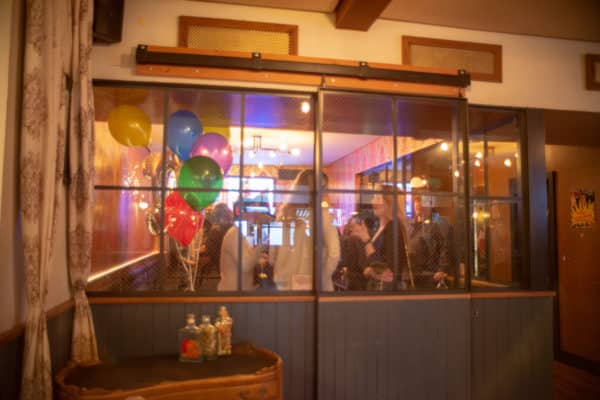
A strong networking event rarely succeeds by accident. The guest list matters, of course, and so does the host’s reputation, but the setting often determines whether people actually talk, remember each other, and follow up afterward. That is why a Bar With Private Room can be such a smart choice for private networking nights. It offers enough energy to keep the evening lively, while giving your group the privacy needed for real conversation.
After years of attending and helping organize business mixers, client appreciation evenings, founder meetups, and industry dinners, I have seen the same pattern repeat. Put people in a space that is too open, too loud, or too public, and they stay guarded. Put them in a room that feels stiff or overly formal, and they loosen up too slowly. A private room inside a well-run bar often lands in the sweet spot. It lowers pressure without lowering standards.
That balance matters more than many hosts realize. Networking is not just about gathering people in one place. It is about creating the conditions where trust can start, where introductions feel natural, and where attendees leave feeling that the night was worth their time.
The setting shapes the quality of the room
People tend to think of networking in terms of name tags, guest lists, and conversation goals. Those are important, but atmosphere does a lot of invisible work. A private room changes behavior in subtle but useful ways.
When guests step into a reserved space, they immediately understand that the event has been intentionally designed. That sense of being expected changes the tone. People become more willing to stay longer, speak more freely, and invest more attention. They are not just standing around in a public bar hoping to spot someone relevant. They are part of something hosted.
A private room also reduces the small social frictions that derail many networking nights. Guests are not competing with sports screens, birthday parties, random foot traffic, or a packed queue at the main bar. They can hear names clearly. They can maintain eye contact. They can circle back to someone later without losing the flow of the evening.
These details sound minor on paper. In practice, they change the outcomes.
Privacy encourages better conversations
Most professionals do not want their first meaningful exchange with a potential client, investor, recruiter, or collaborator to happen shoulder to shoulder with strangers. Public venues create a low-level sense of exposure. Even when people cannot name it, they feel it.
A Bar With Private Room helps remove that tension. Privacy gives people room to speak candidly about plans, challenges, and opportunities without feeling overheard. For industries where confidentiality matters, such as finance, legal services, healthcare, real estate, or early-stage startups, that can be especially valuable.
I have seen this play out at founder gatherings. In a standard open bar, conversation tends to stay on the surface. People exchange broad summaries, talk about market trends, maybe swap LinkedIn details, and move on. In a private room, the same people are more likely to discuss hiring problems, pricing pressure, investor feedback, or partnership ideas. The room signals discretion, and discretion often invites substance.
That does not mean every conversation becomes deep or strategic. Networking still involves light talk, quick introductions, and some social easing in. But privacy raises the ceiling. It makes meaningful conversation more possible.
Noise control is more important than hosts expect
One of the most common complaints after a poorly chosen venue is simple: “I couldn’t hear anyone.” That single issue can flatten an otherwise well-planned event.
Bars are built for atmosphere, and atmosphere often means music, crowd noise, glassware, and open space. In the main area, that energy can be appealing for casual socializing. It is less helpful when your goal is to help thirty or forty professionals meet each other and remember what they said.
A private room usually gives you some separation from the ambient noise. Sometimes that means an actual enclosed room with a door. Sometimes it means a semi-private area with acoustic buffering, lower speaker volume, or a tucked-away layout. Either way, the effect is significant.
When people can hear properly, they ask better questions. They interrupt less. They do not have to shout personal details. Introverts participate more because they are not forced into volume as a performance. Even extroverts tend to have better conversations when they are not spending half their energy competing with the room.
If the venue can control the music in the private https://shanepdeu545.cloudhinter.com/posts/bar-with-private-room-advantages-for-exclusive-social-gatherings space, even better. Hosts often underestimate how much a two-step reduction in volume can improve interaction. It is one of the highest return adjustments you can make.
A private room creates a clear identity for the event
There is a big psychological difference between “meet us at this bar” and “join us in the private room upstairs.” The second option feels more organized, more intentional, and more worth attending.
That identity matters before the event even starts. It improves RSVPs because guests can picture the experience more clearly. It reassures invitees that they will not arrive to chaos. It makes the evening feel curated rather than improvised.
Branding also becomes easier. If you are hosting on behalf of a company, membership group, or industry community, a private room gives you a controlled setting to express that identity. You can greet people at a dedicated entrance point, place signage without competing with the rest of the venue, and keep the event visually coherent. Even small touches, such as reserved cocktail tables, a check-in area, or branded menus, feel more polished in a private room.
For hosts trying to strengthen their position in a market, that impression counts. People often judge the professionalism of an event long before the first official conversation starts.
It is easier to manage guest flow without making the night feel rigid
Networking events need structure, but too much structure kills the room. A private room helps solve that problem because it gives the host control without making the evening feel scripted.
In an open venue, arrivals scatter. Some guests get stuck at the front, others head to the bar, and first-time attendees can feel uncertain about where to stand or who to approach. In a private room, the geography is simpler. Guests enter the same space, orient themselves quickly, and understand where the social center is.
That makes hosting much easier. You can spot people who came alone. You can make introductions before cliques harden. You can notice when one corner is too crowded or when a high-value guest has not yet met the right people.
A well-chosen private room also lets the evening breathe in phases. Early arrivals can settle in with a drink. The room can naturally build to peak interaction. Later in the night, smaller circles can form without losing the shared atmosphere. Good networking events often feel effortless from the guest side, but that ease usually depends on the host having a manageable environment.
Food and beverage service becomes more useful, not just more convenient
Hospitality has a direct effect on networking quality. If guests are hunting down a bartender all night or waiting twenty minutes for food, their attention shifts away from the people in front of them. A private room often streamlines that.
Many bars offer dedicated servers, private bar access, or pre-arranged drink packages for reserved rooms. That can keep lines short and remove friction. Guests stay present. Conversations continue. Nobody has to abandon a promising discussion to fight their way through a packed counter.
There is also a strategic side to food and beverage planning in private rooms. Hosts can choose service styles that match the event’s purpose. Passed appetizers keep people mobile. Shared platters create points of informal gathering. Limited drink tickets can manage budget while still feeling generous. A full hosted bar may make sense for a client event, while a modest package may be more appropriate for a community meetup or internal team mixer.
A few practical choices tend to work well:
- Serve food early enough that guests do not drink on an empty stomach.
- Keep at least one low-ABV and one nonalcoholic option visible and easy to order.
- Avoid overly messy bites that interfere with handshakes and business cards.
- Ask the venue how quickly they can reset glassware and clear small plates.
- Confirm whether the private room has its own service staff or shares the main floor team.
That level of detail can sound fussy, but guests feel the difference immediately. Smooth service makes the event feel cared for.
The room helps different personality types engage
Not everyone networks the same way. Some people can walk into a packed room and start five conversations in ten minutes. Others need context, a calmer corner, and a little time. If your event only works for the loudest people, you are leaving value on the table.
A private room helps widen participation. Because the environment is more contained, quieter guests can read the room faster and find manageable entry points. There is usually less social randomness and fewer interruptions from the general public. That predictability lowers the barrier to engagement.
From a host’s perspective, this matters a great deal. The best networking nights do not just entertain the most confident attendees. They unlock useful interactions across personality styles, career stages, and industries. Some of the most commercially valuable or intellectually interesting guests are not the ones dominating the room. They are often the ones who contribute most once they feel comfortable enough to speak.
I once attended a small professional services mixer in a private room above a neighborhood cocktail bar. The most connected person in the room was not the outgoing consultant who knew everyone by name. It was a relatively quiet operations executive who ended up having three long conversations and left with two serious referral opportunities. In a louder, less contained venue, I doubt those conversations would have lasted.
Private rooms support discretion without becoming overly formal
There is a common misconception that privacy means stuffiness. In reality, a bar setting can provide confidentiality without the sterile feel of a boardroom or hotel meeting space.
That combination is part of the appeal. People tend to be more relaxed in hospitality spaces than in corporate environments. A well-designed private room softens hierarchy. Senior executives appear more approachable. New members feel less intimidated. Conversations can move beyond job titles and rehearsed elevator pitches.
At the same time, the private room keeps the event from sliding into pure casualness. Guests understand they are in a reserved environment with a specific purpose. The room says, “you can be comfortable here, but this gathering has intent.” That is often exactly the tone professional networking needs.
Budget control is often better than people assume
Some hosts hear “private room” and immediately think “expensive.” Sometimes it is. Not always. Compared with renting a standalone event venue, a private room in a bar can be surprisingly efficient.
Costs usually come in a few forms: room fee, minimum spend, food and beverage package, gratuity, and sometimes AV or staffing charges. The key is to compare total cost, not just the headline room price. A venue with no room rental but a high minimum may be more expensive than one with a modest room fee and flexible menu options. A private room that includes dedicated service, basic setup, and reserved space may save labor and coordination costs elsewhere.
There are also hidden savings. You may need less decor because the room already has character. You may not need external bartenders, rental furniture, or separate cleanup arrangements. If the event is intended to generate leads, strengthen partnerships, or retain clients, the return can justify the spend quickly.
That said, value depends on fit. An oversized private room can kill energy. A room with a strict minimum can strain a small event budget. A host should always ask detailed questions before booking.
Better control over timing, programming, and interruptions
A private room gives you more authority over the arc of the night. That matters whether your event is completely social or includes a short welcome, sponsor remarks, a fireside chat, or structured introductions.
Trying to make announcements in the open section of a busy bar is usually a mistake. People cannot hear, unrelated patrons do not care, and the host ends up sounding apologetic. In a private room, even a two-minute welcome becomes simple. Guests can pause, listen, and return to conversation without confusion.
This does not mean every networking night needs a program. Many of the best ones do not. But it is useful to have the option. The host can shape the event lightly instead of leaving everything to chance.
Private rooms also reduce interruptions from the venue’s normal business. Your group is less likely to be split by another party, crowded by walk-ins, or displaced by a game-day surge. That consistency protects the experience you promised your guests.
The best results come from matching the room to the guest list
Not every private room is a good networking room. Some are beautiful but cramped. Some are quiet but too formal. Some look ideal online and feel awkward in person. The room has to match the kind of connections you want to encourage.
For a startup mixer, a slightly looser layout with standing space, high-top tables, and easy circulation often works well. For a client appreciation night, comfortable seating and stronger service may matter more. For a women-in-business community event or industry association meetup, the room should support mingling without forcing everyone into one loud center.
A few questions help separate a useful space from a merely available one:
- Can guests move comfortably without bottlenecks near the entrance or bar?
- Is the room private enough for conversation, or merely roped off?
- Will the acoustics support speech at normal volume?
- Does the lighting flatter faces and allow people to read name tags or menus?
- Can staff serve efficiently without constantly cutting through conversations?
If possible, visit in person at the same time of day your event will be held. Evening acoustics, staffing pace, and spillover noise often look very different from a quiet afternoon site tour. That visit usually tells you more than a brochure ever will.
Why hosts often get better follow-up from these events
The true measure of a networking night is not how full the room looked on social media. It is what happens next. Do people reply to each other? Do meetings get scheduled? Do referrals move? Does the host gain credibility?
Private-room events often perform better on that front because the interactions tend to be more memorable. Guests are not just collecting names in a blur. They are having conversations with enough depth and comfort to create recall. The room makes it easier for people to connect one face, one story, and one opportunity.
That matters especially for curated groups. If you are inviting investors and founders, agency leads and in-house marketers, recruiters and candidates, or local business owners from complementary industries, the quality of each exchange matters more than the raw number of attendees. A private room supports that quality.
It also helps the host. When the event is contained, you can more easily observe who connected, who needs a follow-up introduction, and which conversations had momentum. Your post-event outreach becomes more specific and more useful.
Edge cases and trade-offs worth considering
Private rooms are not automatically the right answer. A host should be honest about the event’s goals.
If your objective is maximum foot traffic and spontaneous drop-ins, a fully private space may feel too closed. If your audience skews very young and highly social, a semi-private area with more visible energy from the main bar might suit them better. If your budget is tight and your guest count is uncertain, a minimum spend agreement can become stressful.
There is also the risk of over-curation. A room that feels too exclusive can intimidate attendees, especially if the event already carries a prestige factor. Privacy should support connection, not create social stiffness. The best hosts counter that by greeting guests warmly, making quick introductions early, and avoiding overly formal staging unless the event truly calls for it.
A private room is a tool, not a magic trick. It works best when the host knows the audience, the venue staff are responsive, and the event design respects how people actually mingle.
When the choice pays off most
From experience, the private-room format tends to shine in a few specific cases. It works extremely well for client relationship events where conversation quality matters more than crowd size. It is excellent for founder circles, investor meetups, alumni groups, and industry communities where attendees want a degree of trust and recognition. It is also effective for internal networking between departments or offices, especially when people know of each other but have not yet built rapport.
The format is less compelling when the event is mostly promotional, highly transactional, or built around brief high-volume introductions. In those cases, scale and visibility may matter more than intimacy.
Still, for many professional hosts, the private-room model hits a rare balance. It feels social without being chaotic, polished without being cold, and efficient without being impersonal. That is why it keeps showing up in successful networking calendars.
A good networking night depends on many things, but venue choice quietly shapes all of them. A Bar With Private Room gives hosts control over privacy, acoustics, service, pacing, and guest experience in a way few other settings can match. When chosen carefully, it does more than hold the event. It improves the event itself.
That is the real benefit. Not just a nicer room, but better conversations, stronger impressions, and a higher chance that the people you brought together will actually keep talking after the night ends.
The Winslow
Address: 243 E 14th St, New York, NY 10003
Phone number: +12127777717
FAQ About Bar With Private Room
Which bars in NYC offer private rooms?
Many bars in New York City offer private and semi-private rooms for parties and events, ranging from hidden basement speakeasies to upscale lounge spaces. Top options include The Back Room on the Lower East Side, Dear Irving Gramercy, Pebble Bar in Midtown, Mister Paradise in the East Village, and The Winslow in the East Village.
What is a private room in a pub called?
A small, private seating area or partitioned booth in a traditional pub is most commonly called a snug. Larger private rooms used for events, parties, or dining are typically referred to as private dining rooms, function rooms, or back rooms.
How much does a 2 hour open bar cost?
A 2-hour open bar generally costs between $15 and $45 per person, depending heavily on the quality of alcohol you choose. For a standard group of 100 guests, this translates to an overall cost of $1,500 to $4,500 before taxes, setups, and staff gratuities.